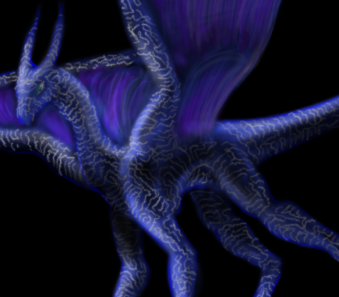
species:clade:takmin
Differences
This shows you the differences between two versions of the page.
| Next revision | Previous revision | ||
| species:clade:takmin [2021/02/03 11:54] – created shyriath | species:clade:takmin [2023/09/18 15:05] (current) – external edit 127.0.0.1 | ||
|---|---|---|---|
| Line 1: | Line 1: | ||
| - | + | ====== Takmins ====== | |
| ===== Hybridization ===== | ===== Hybridization ===== | ||
| As is, perhaps, inevitable between species so closely related and physically alike, sexual contact is not unknown, if also not common nor encouraged. It occurs most often in the takma river towns (at least, those from which the xtauh are not banned), although sadly many such instances are not voluntary; many of those that are are essentially on the level of prostitution, | As is, perhaps, inevitable between species so closely related and physically alike, sexual contact is not unknown, if also not common nor encouraged. It occurs most often in the takma river towns (at least, those from which the xtauh are not banned), although sadly many such instances are not voluntary; many of those that are are essentially on the level of prostitution, | ||
| Line 6: | Line 5: | ||
| In all cases, liaisons are more common between a female takma and a male xtauh, partly because of a tendency toward dominating female behavior in both species but mostly because of the difficulties of size; males are also the smaller sex in both species. A smaller male, takma or xtauh, seems more natural; whereas a female xtauh engaging with a male takma, on the other hand, are more likely to find themselves uncomfortable in a reversal of sizes (though, considering the individuality of sexual preferences, | In all cases, liaisons are more common between a female takma and a male xtauh, partly because of a tendency toward dominating female behavior in both species but mostly because of the difficulties of size; males are also the smaller sex in both species. A smaller male, takma or xtauh, seems more natural; whereas a female xtauh engaging with a male takma, on the other hand, are more likely to find themselves uncomfortable in a reversal of sizes (though, considering the individuality of sexual preferences, | ||
| - | That said, while sex is certainly known (however disdained), successful reproduction is less so. Takmar possess a possible scale type that is entirely missing in the xtauh, and which is a dominant genetic trait in the former species; therefore, unions involving a takma with [[takma:scales-and-coloration# | + | That said, while sex is certainly known (however disdained), successful reproduction is less so. Takmar possess a possible scale type that is entirely missing in the xtauh, and which is a dominant genetic trait in the former species; therefore, unions involving a takma with [[takma:scales_and_coloration# |
| ===== Evolutionary history ===== | ===== Evolutionary history ===== | ||
species/clade/takmin.1612371260.txt.gz · Last modified: (external edit)