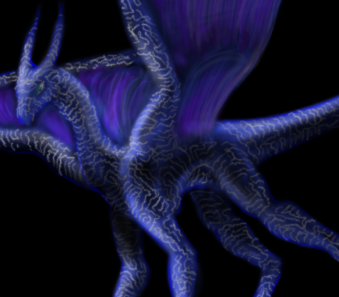
person:uvereth
Differences
This shows you the differences between two versions of the page.
| Both sides previous revisionPrevious revisionNext revision | Previous revision | ||
| person:uvereth [2021/05/07 14:54] – ↷ Links adapted because of a move operation shyriath | person:uvereth [2024/01/25 14:44] (current) – ↷ Links adapted because of a move operation shyriath | ||
|---|---|---|---|
| Line 1: | Line 1: | ||
| + | ====== Uvereth ====== | ||
| < | < | ||
| - | THE SOLDIERS: Now the fight is won, and the [[person: | + | THE SOLDIERS: Now the fight is won, and the [[person: |
| UVERETH: No, it shall not be so. | UVERETH: No, it shall not be so. | ||
| Line 6: | Line 7: | ||
| THE SOLDIERS: What could you mean? Who then shall rule? | THE SOLDIERS: What could you mean? Who then shall rule? | ||
| - | UVERETH: I shall return to [[avishraa:community: | + | UVERETH: I shall return to [[geopolitical:Inaar]], where the bones of my foremothers lie. There will I rule, and preserve it from harm. But I shall choose no Empress, myself nor any other. |
| THE SOLDIERS: Will you then allow the Imperial horn((A coiled horn, stylized to various degrees, is a symbol of sovereignty in Imperial and post-Imperial cultures; in the Imperial period, the Imperial horn was restricted to the use of the empresses and those operating under their direct authority, somewhat like crowns in human monarchies.)) to be contested by rebels and traitors? | THE SOLDIERS: Will you then allow the Imperial horn((A coiled horn, stylized to various degrees, is a symbol of sovereignty in Imperial and post-Imperial cultures; in the Imperial period, the Imperial horn was restricted to the use of the empresses and those operating under their direct authority, somewhat like crowns in human monarchies.)) to be contested by rebels and traitors? | ||
| Line 20: | Line 21: | ||
| A dagger-stroke to my back, and others aimed at my daughters: is that not impiety? | A dagger-stroke to my back, and others aimed at my daughters: is that not impiety? | ||
| - | You speak of impiety! How impious is the [[avishraa: | + | You speak of impiety! How impious is the [[geopolitical:empire:]] that allows such acts, against all that is taught to us by the [[mythology: |
| And for what has been done, I have slain her to whom my allegiance was owed! Is that, too, not impiety? | And for what has been done, I have slain her to whom my allegiance was owed! Is that, too, not impiety? | ||
| - | Hear me: if I am impious, then so are we all! Indeed this is an [[history: | + | Hear me: if I am impious, then so are we all! Indeed this is an [[history: |
| //Uvereth brings down her hammer on the Foundation Stone, shattering it to the cries of the soldiers.// | //Uvereth brings down her hammer on the Foundation Stone, shattering it to the cries of the soldiers.// | ||
| Line 38: | Line 39: | ||
| * **Nicknames or aliases:** the Stonebreaker, | * **Nicknames or aliases:** the Stonebreaker, | ||
| * **Date of birth:** 20 Vigil | * **Date of birth:** 20 Vigil | ||
| - | * **Place of birth:** [[avishraa:community: | + | * **Place of birth:** [[geopolitical:Inaar]], the [[geography: |
| * **Date of death:** 3 Cloud | * **Date of death:** 3 Cloud | ||
| - | * **Place of death:** [[avishraa:community: | + | * **Place of death:** [[geopolitical:Inaar]], the [[geography: |
| ==== Gender and sexuality ==== | ==== Gender and sexuality ==== | ||
| Line 48: | Line 49: | ||
| ==== Heritage and identification ==== | ==== Heritage and identification ==== | ||
| - | * **Species: | + | * **Species: |
| * **Race:** [[takma: | * **Race:** [[takma: | ||
| - | * **Ethnic origin:**[[culture:ethnicity:imperial|Imperial]] | + | * **Ethnic origin: |
| - | * **Native language:** early [[language: | + | * **Native language:** early [[language: |
| - | * **Other languages spoken:** [[language: | + | * **Other languages spoken:** [[language: |
| ===== Physical ===== | ===== Physical ===== | ||
| Line 80: | Line 81: | ||
| Uvereth' | Uvereth' | ||
| - | She was known to be a fancier of music, and was a particular devotee of the // | + | She was known to be a fancier of music, and was a particular devotee of the // |
| ==== Morality and philosophy ==== | ==== Morality and philosophy ==== | ||
person/uvereth.1620399283.txt.gz · Last modified: (external edit)