mythology:imperial_religion:siathar:siath
Differences
This shows you the differences between two versions of the page.
| Both sides previous revisionPrevious revision | |||
| mythology:imperial_religion:siathar:siath [2024/01/17 16:59] – ↷ Page moved from culture:mythology:imperial_religion:siathar:siath to mythology:imperial_religion:siathar:siath shyriath | mythology:imperial_religion:siathar:siath [2024/01/17 18:59] (current) – ↷ Links adapted because of a move operation shyriath | ||
|---|---|---|---|
| Line 1: | Line 1: | ||
| ====== Siath ====== | ====== Siath ====== | ||
| - | The central figure, and namesake, of the [[culture:mythology: | + | The central figure, and namesake, of the [[mythology: |
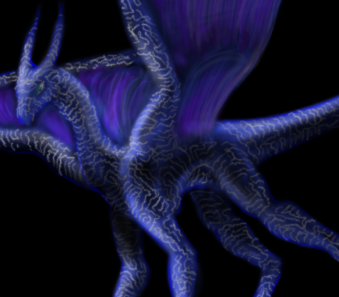
| Her totality is rarely presented in graphic form, but when it is, She generally appears as a takma of six heads facing in all directions, yellow-brown of body with red facial markings. Her symbol, which is used more frequently, is a hexagon with its points touching an enclosing circle, each point joined by a line to the center. | Her totality is rarely presented in graphic form, but when it is, She generally appears as a takma of six heads facing in all directions, yellow-brown of body with red facial markings. Her symbol, which is used more frequently, is a hexagon with its points touching an enclosing circle, each point joined by a line to the center. | ||
| Line 17: | Line 17: | ||
| ===== The Temptress ===== | ===== The Temptress ===== | ||
| - | The Great Temptress, though casual and relaxed, draws all eyes to Her. She is the center of attention: females wish to know Her ways, and males wish to know Her better. It is She who is consulted in matters of love and attraction, whether physical or of the heart; She may be invoked to increase sexual desire, to ensure a happy marriage, to gain (or ward off) the attention of a suitor, or as an oracle to find a suitable partner. Though Her following is mostly female - males more frequently turn to Her counterpart, | + | The Great Temptress, though casual and relaxed, draws all eyes to Her. She is the center of attention: females wish to know Her ways, and males wish to know Her better. It is She who is consulted in matters of love and attraction, whether physical or of the heart; She may be invoked to increase sexual desire, to ensure a happy marriage, to gain (or ward off) the attention of a suitor, or as an oracle to find a suitable partner. Though Her following is mostly female - males more frequently turn to Her counterpart, |
| The Great Temptress is represented as a red takma, voluptuous and shapely; if she is depicted as wearing anything other than a smile, it is a garland of flowers upon her head. Her totem is the [[species: | The Great Temptress is represented as a red takma, voluptuous and shapely; if she is depicted as wearing anything other than a smile, it is a garland of flowers upon her head. Her totem is the [[species: | ||
| ===== The Mother ===== | ===== The Mother ===== | ||
| - | The Great Mother is serene and loving, kind and generous, and probably the most popular aspect of the Most Eminent among the common takma; it is a sorry soul indeed whose own mother cannot give them love and guidance. Therefore the Mother, although of course sought after by females for increased fertility and protection during egglaying, is more generally prayed to also for advice and aid. She is seen as somewhat more stern and even-handed in this respect than [[culture:mythology: | + | The Great Mother is serene and loving, kind and generous, and probably the most popular aspect of the Most Eminent among the common takma; it is a sorry soul indeed whose own mother cannot give them love and guidance. Therefore the Mother, although of course sought after by females for increased fertility and protection during egglaying, is more generally prayed to also for advice and aid. She is seen as somewhat more stern and even-handed in this respect than [[mythology: |
| The Great Mother is represented as a purple takma with Her forelegs cradling a swollen belly, usually wearing the necklace of a married female, usually either in repose or seated. Her totem is the fruit of the [[species: | The Great Mother is represented as a purple takma with Her forelegs cradling a swollen belly, usually wearing the necklace of a married female, usually either in repose or seated. Her totem is the fruit of the [[species: | ||
mythology/imperial_religion/siathar/siath.1705510782.txt.gz · Last modified: by shyriath